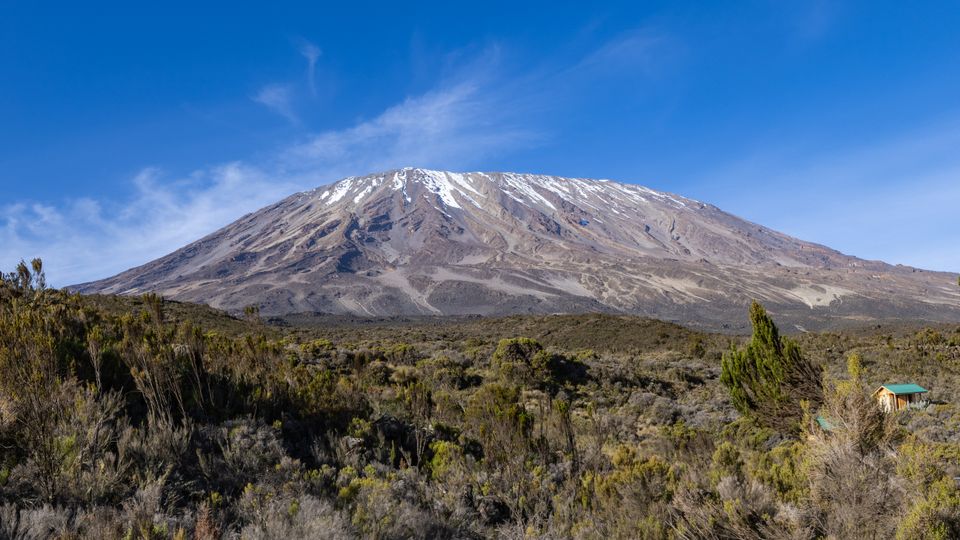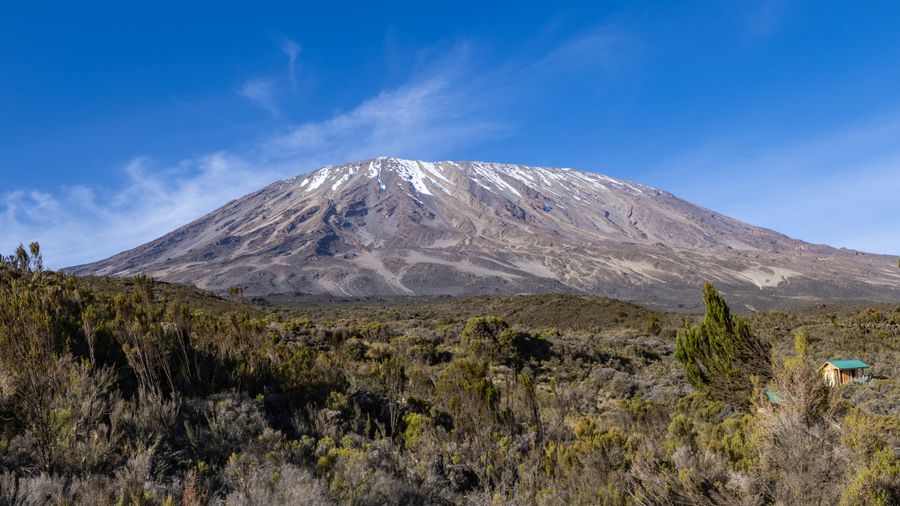
Kilimanjaro is the highest mountain in Africa and one of the most accessible major peaks in the world for trekkers without technical climbing experience, since the standard routes are walking trails rather than climbs. Several routes reach Uhuru Peak (5,895m) on the crater rim, each with a different balance of scenery, traffic and acclimatisation profile - Machame and Lemosho are generally considered to offer the better combination of scenery and summit odds, while Marangu is the only route with hut (rather than tent) accommodation throughout.
Multi-day trekking to Uhuru Peak via Machame, Lemosho, Marangu, Rongai or other routes
Day hikes in the lower forest zone for those not attempting the full summit
Photography across five distinct ecological zones on a single mountain
The two main dry windows are late June to October and December to mid-March, offering more stable weather. The long rains (April-May) are generally avoided for climbing.
Most climbs start from Moshi or Arusha, both reachable via Kilimanjaro International Airport or by road from other parts of northern Tanzania.
Camping on most routes (tents provided and carried by the trekking crew); the Marangu route uses mountain huts instead.
Altitude sickness risk is significant given the summit elevation - longer routes (7-8 days) generally improve acclimatisation and comfort compared with the fastest 5-6 day options
Porters and guides are a central part of any Kilimanjaro climb and their welfare (fair pay, appropriate gear, load limits) is worth asking your operator about directly
Summit night is a long, cold, pre-dawn push regardless of route - come prepared mentally as well as physically
Tell us your dates and we'll build an itinerary that includes it.