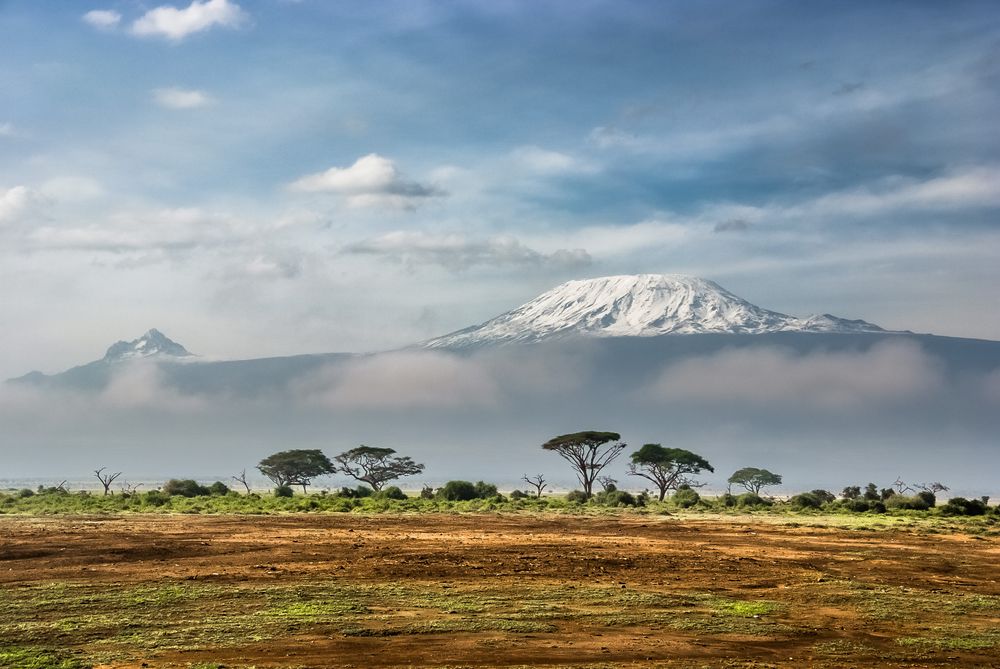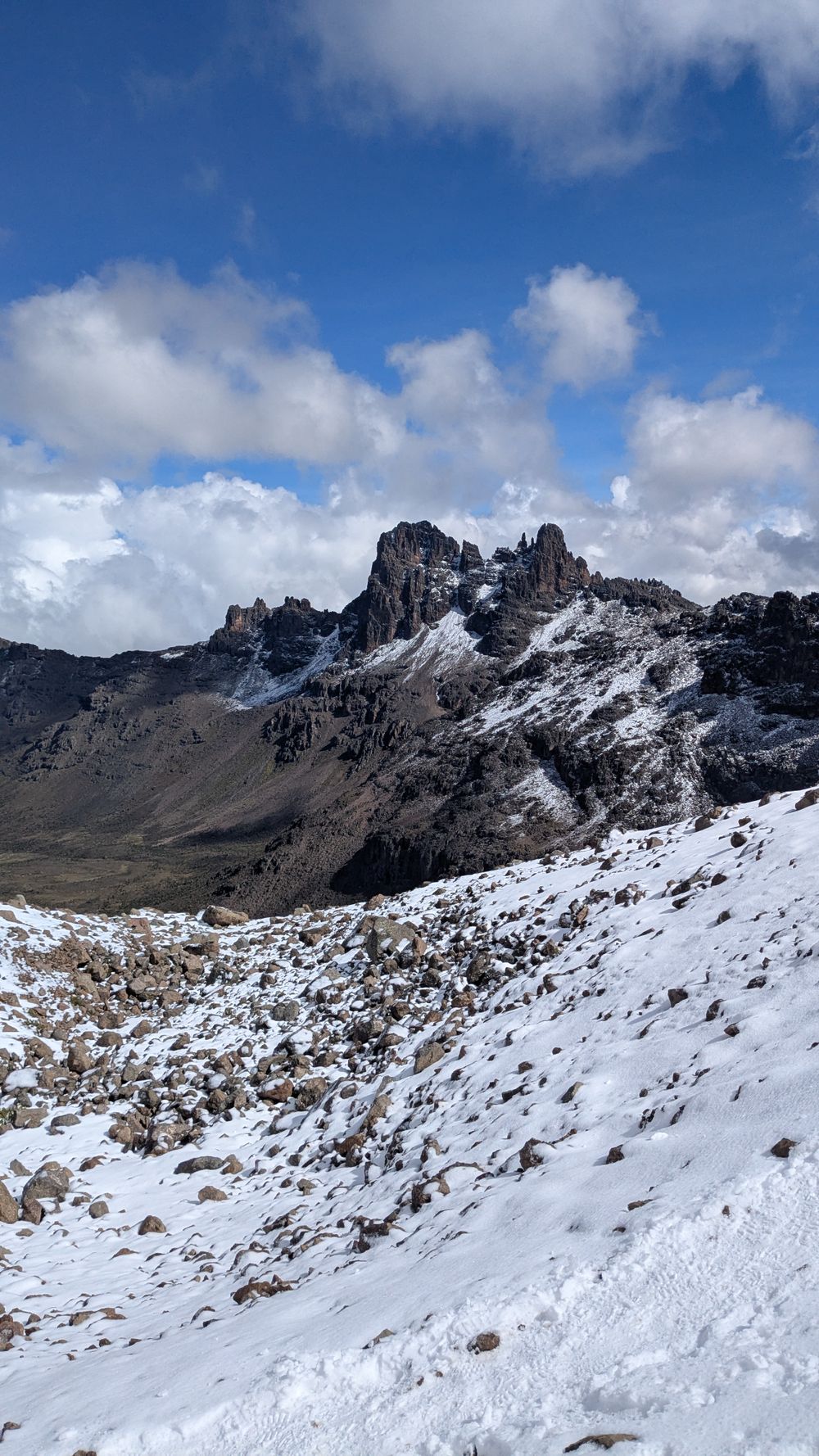
Most people climbing Mount Kenya are aiming for Point Lenana (4,985m), the trekking peak reachable on foot without ropes or technical climbing skill. The mountain's true highest points, Batian (5,199m) and Nelion (5,188m), are technical rock climbs requiring mountaineering experience and equipment - a different undertaking entirely from a standard trek.
Sirimon is the driest and most gradual approach, generally considered the best for acclimatisation on its own. Chogoria is often called the most scenic, descending through the dramatic Gorges Valley. Naro Moru is the most direct route but with a steeper ascent profile, giving less time to acclimatise. Many climbers combine two routes - ascending one, descending another - to see more of the mountain.
Altitude sickness is the main risk on Mount Kenya given how quickly you gain elevation relative to Kilimanjaro. A gradual route, a realistic pace, and telling your guide immediately if you feel unwell (headache, nausea, dizziness) all matter more than raw fitness. That said, you should still be comfortable with multi-hour daily hikes over several consecutive days.
Our Mount Kenya Sirimon Route itinerary runs 4 days: an ascent through forest and moorland to Old Moses Camp, a longer day to Shipton's Camp, a pre-dawn summit push to Point Lenana followed by descent, and a final descent day back to the trailhead. Extending to a Sirimon-Chogoria traverse adds a day but lets you see both sides of the mountain.
Mid-January to end of February and July to October are the two driest windows, offering more stable trekking conditions. Outside these months the mountain can still be climbed, but expect wetter trails and reduced visibility.
Send us your dates and we'll put together an itinerary and quote based on what you've just read.